










Developing adolescents and teens in the academic setting of high school, are often relegated to their extracurricular activities throughout the majority of their career as lower and upper classmen. As a student presiding in the Joint Hanford Union High School District (HJUHSD) it’s perceptible that the total student body rarely has time to indulge in hobbies or interests due to the constraints of high school life. This is also apparent within the digital age, given that most people create connections through social media and forums when rarely physical interaction is exchanged. These two elements are actively detrimental to social development among teenagers and their peers.
It also should be noted that due to these contributing factors, students aren’t given the proper time inside, or outside the structure of a learning environment to develop proper social skills, because they become preoccupied in their own microchasms. They never expand, pass their boundaries or meet people, as result of the schism online relationships and academic pursuits create. But there does exist an outlet for such interests that are sledomly expressed among peers in high school, this being the existence of clubs.
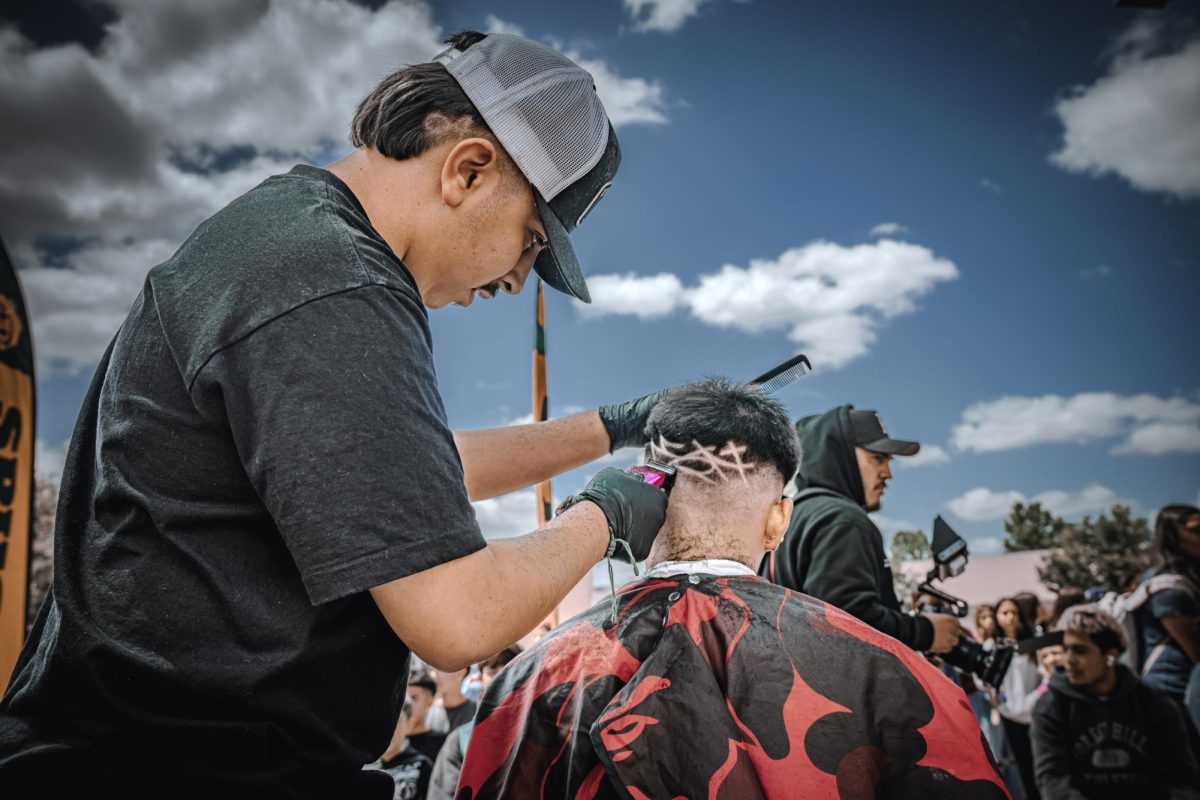
Clubs are a gateway to new experiences to students who lack schedule or ability to acquire adequate socializing among peers and friends alike, and are the foundation for communication skills that will be utilized throughout a student’s adult life. Students will be able to maximize on their time spent in clubs with like minded people, that’ll aid their comprehension on crucial social skill telegrapher through interaction. This grants students the ability to automatically recognize appropriate intervals for breaking the ice when encountering unfamiliar people, as well as improving their emotional awareness, which in turn creates more fluid dynamics between students.
Along with being paired with acquaintances and peers, students may encounter individuals in clubs that have different ideals or another mentality all together. Albeit this could create a disconnect or a tense social atmosphere if both parties are actively pugnacious, it could teach students how to cooperate even with disagreeable people. Working through differentiating opinions and agreeing to disagree, allows students to maintain a level of admiration and respect for one another despite these differences. implementing these strategies in a future professional environment, can help students mediate possible workplace disputes to relieve tension inhibiting productivity. Through this communication process in mediation, it can also help students who might be joining the workforce early on, to be more effective social leaders as well.
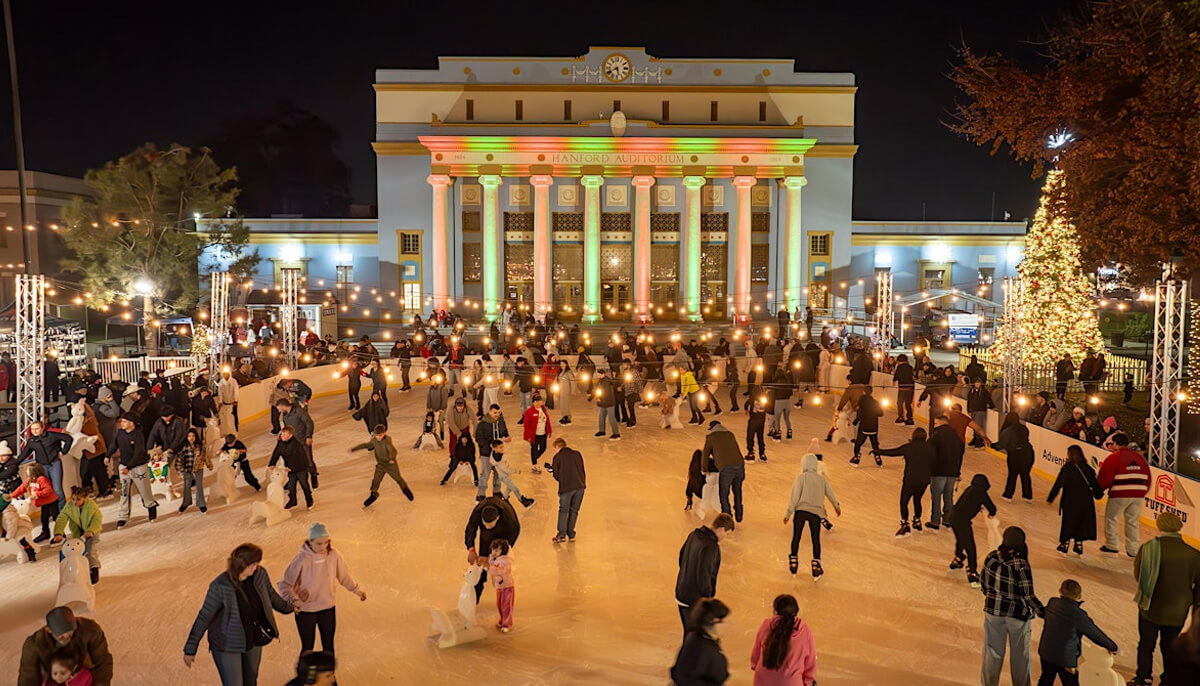
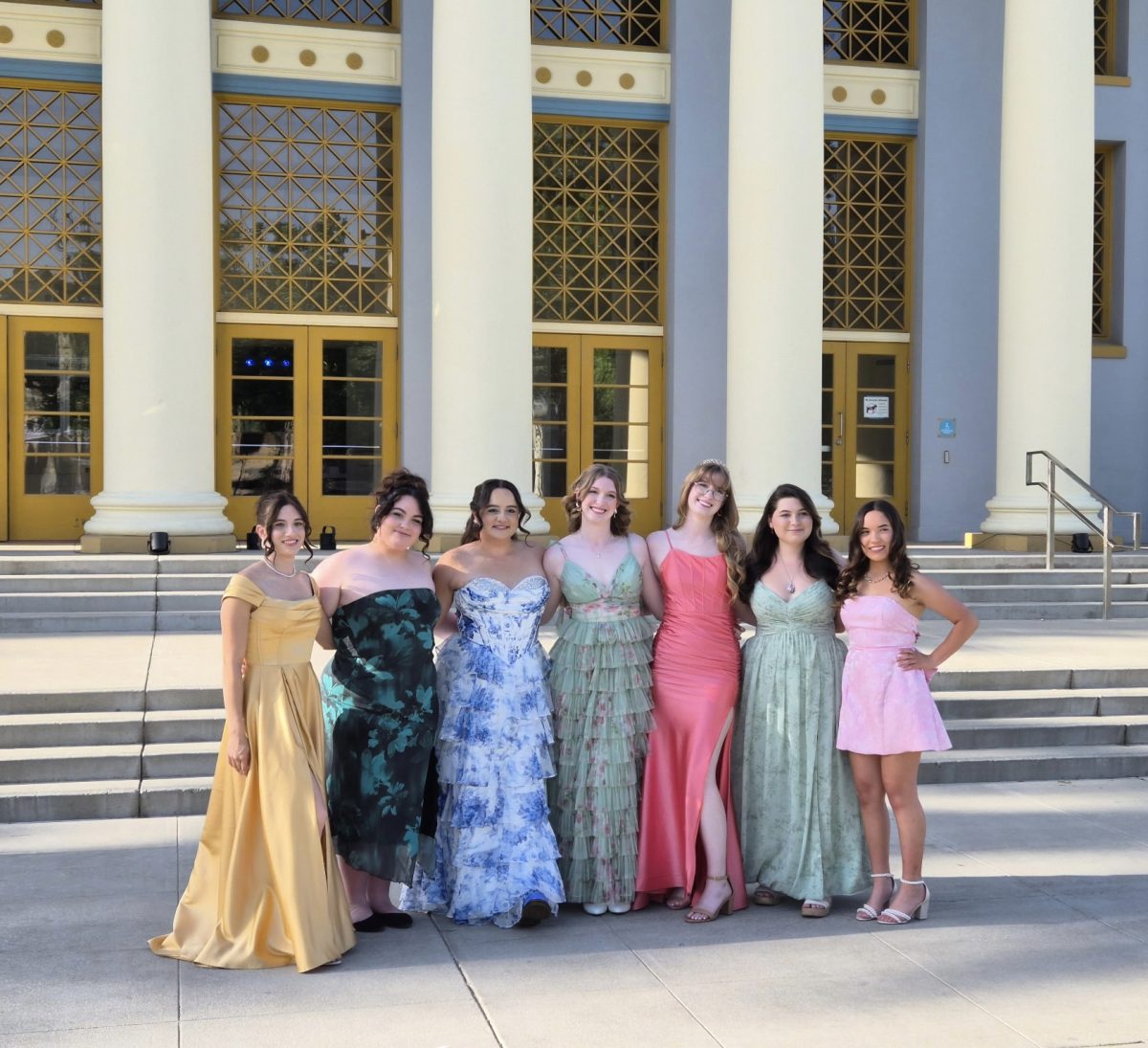
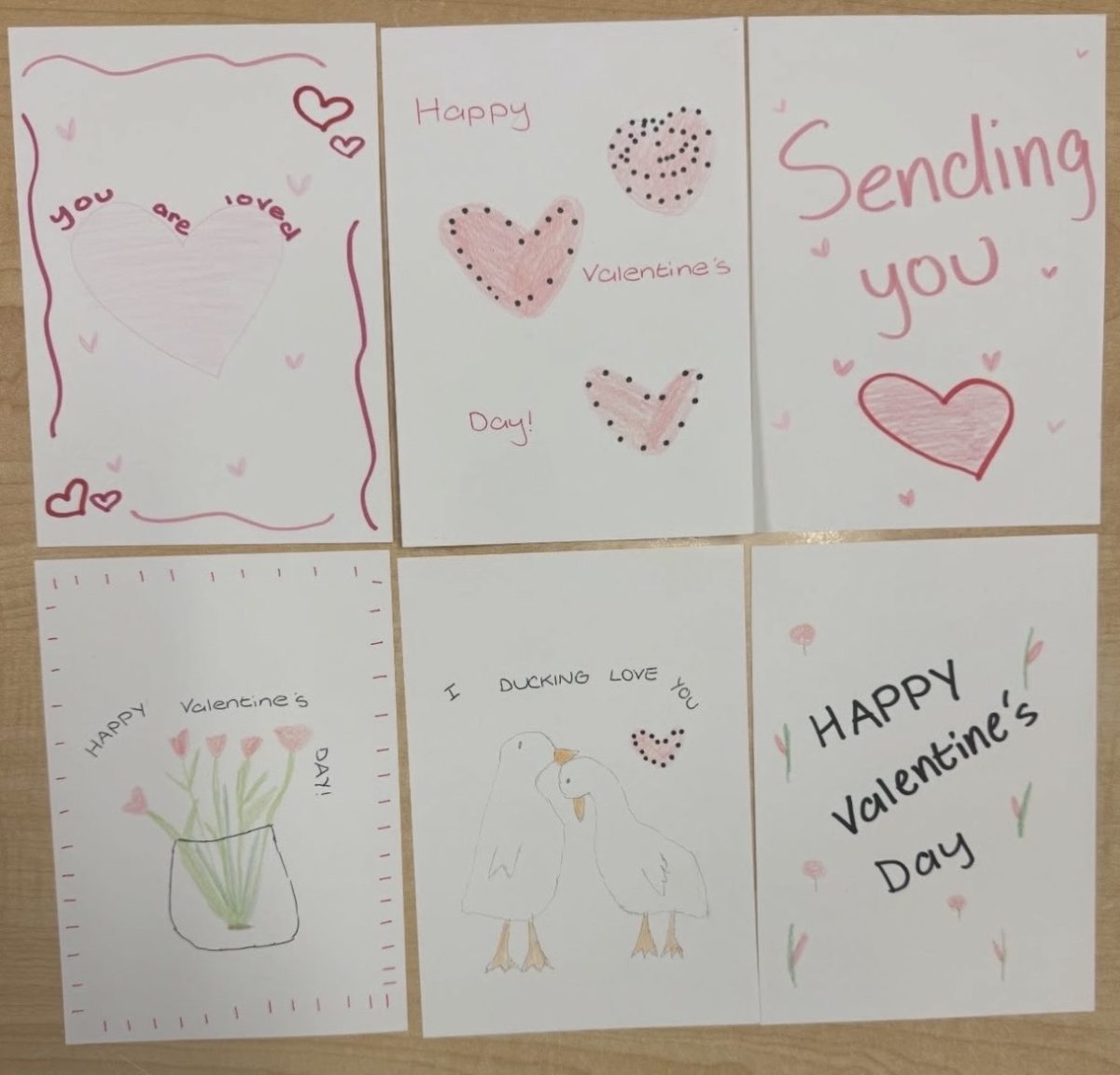
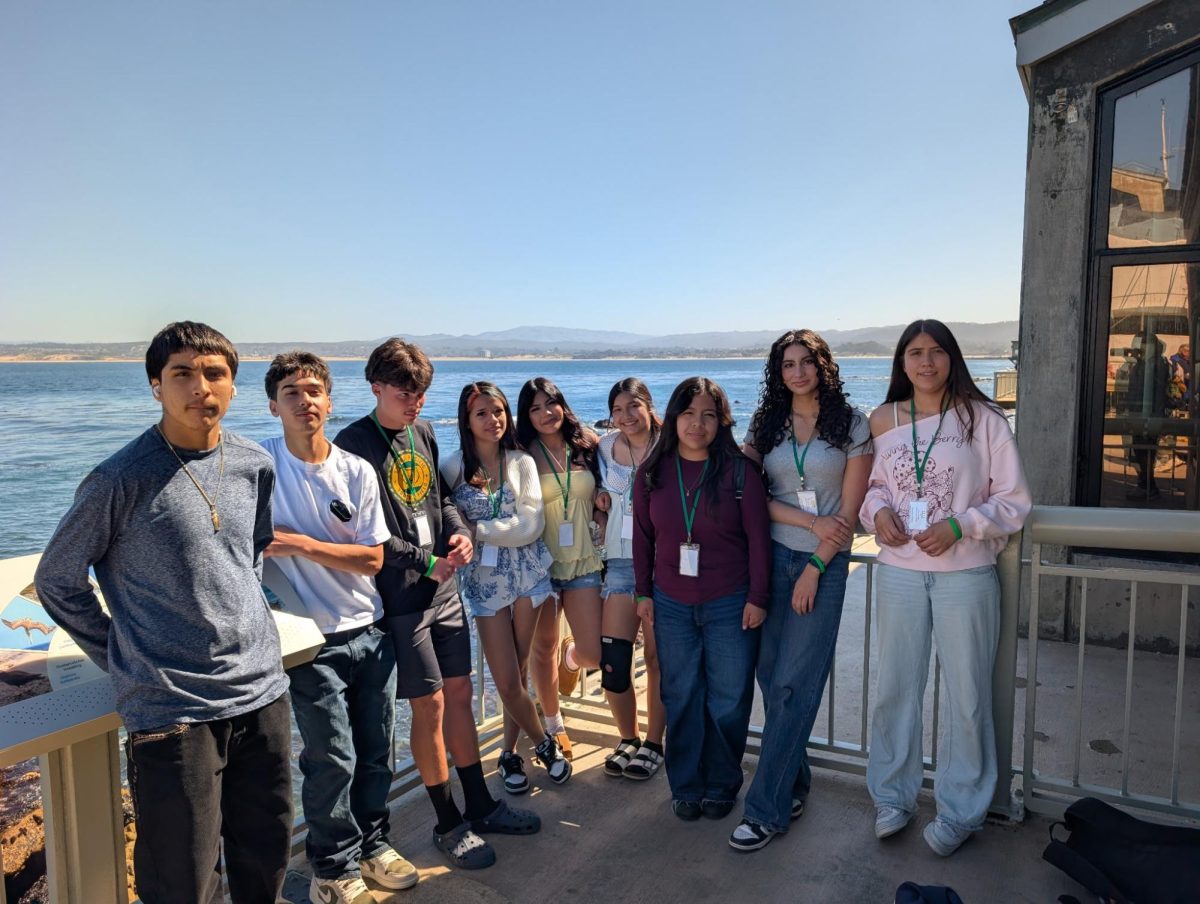
Myriads of clubs are available on the Sierra Pacific High School campus that give students the necessary opportunities for the development of these skills. Examples of these subsequent communities would include the S Club, a collective of students concerned with their peers being prepared for leadership roles. Another would be the Key Club, in which student’s congregate to organize extra-curricular activities that pertain to community services for the city of Hanford. Many others exist such as the adventure, snowboarding, environmentalist, and Portuguese clubs; Students are more that welcome to add to the current roster of clubs on campus that build leadership, socialization, and life long skills.
In totality, school clubs breed environments conducive to the social development of adolescents and young teens, that require these abilities for professional scenarios pertaining to their occupations in the future. Without high school clubs, most students wouldn’t be given these opportunities, based on the fact that most would be focused on pure academics, or other extracurriculars such as sports.