



















School weeks can burn out teenagers. Long, consecutive school days can leave students restless, with minimal out-of-school time. Homeschooling could be beneficial, yet it entirely strips students of their high school experiences. Hybrid model schedules could put an end to this conflict. These models are designed to meet a student’s needs and combine virtual and traditional learning. A hybrid model would give students a break during their five-day school weeks while still providing a high-quality education. This could help students reduce exposure to stressful situations during school hours and reach their goals more efficiently.
According to the Centers for Disease Control and Prevention’s most recent Youth Risk Behavior surveys, statistics prove that about 40 percent of high school students suffer from persistent feelings of sadness or hopelessness. This analysis occurred recently; students were analyzed and reported on in 2023. The survey was conducted among select schools. Students in grades 9-12 were surveyed.
A strong connection was shown between student depression and their high school environments.
These diverse schedules can also free up out-of-school hours and allow students more time for employment. Students can save money for college fees during their high school years. Choosing this path could also give students time management skills and allow them to work full shifts on their breaks from in-person classes. Doing so will reduce the need to squeeze in a quick, stressful shift every evening. This also leads to a positive work experience for the student. It allows them to toggle between work and school properly on separate days.
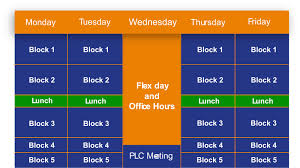
Hybrid schedules have A/B rotations, which are alternating days/weeks between on-campus and off-campus days. This allows more flexibility and keeps away repetitive schedules. Off-campus days consist of independent, self-paced technological learning. Students develop time management and self-discipline during independent assignment completion. On-campus days are reserved for direct instructional days and personalized support. Teachers may introduce new concepts that require further understanding. These specific days are designed to complement each other and help students reach success.
Overwhelmed, some students have chosen to commit to fully online classes, which takes away from the high school experience. Some students choose this option due to long days, but a break from the traditional school week with a hybrid schedule could address this issue. They could still participate in activities with their peers while avoiding an exhausting school week. A hybrid schedule could allow teens to enjoy their high school experience without worrying about overworking during full school weeks.
These models also have downsides. These unique schedules could interfere with schoolwork. Students who tend to procrastinate or are less self-motivated might fall behind in coursework during their breaks from traditional school days. This could lead to disrupted studies and a fall in academic performance. This can be prevented by support systems and check-ins. Check-ins consist of digital tools, such as video calls and surveys. Check-ins can also include in-person meetings during traditional school days. Instructors may also analyze survey data or assignment patterns to identify struggling students in need of support.
Students using hybrid schedules can take advanced placement courses for early college credit with greater ease and focus. AP classes can help students be accepted by universities more efficiently, and they challenge students to adjust to college classes.
Hybrid models aren’t just convenient-they’re necessary. These schedules give teens more control over their time while keeping them connected to school. They aren’t offered everywhere, and it’s time for schools to make a switch.