












For decades the high school English syllabus has been a familiar rite of passage. Students across the country are handed the same texts: Shakespeare’s “Romeo and Juliet”, Steinbeck’s “Of Mice and Men” and Bradbury’s “Fahrenheit 451”. We’re told these are the cornerstones of literary education, the essential keys to understanding theme, symbolism and figurative language. But as we move further into the 21st century, we should ask ourselves, do these pieces of literature still serve students? Or are they holding them back?
The argument for keeping these books often focuses on tradition and “cultural literacy.” However, looking at the bigger picture this logic is flawed. Forcing a 15-year-old to decode Early Modern English in “Romeo and Juliet” often results in less an appreciation for timeless love and more a profound disconnection from literature and reading itself. The core themes of family strife and impulsive passion are universal, but the non-modern language acts as a barrier, not a gateway. We risk teaching students that classics are a chore to be endured and not something to be explored.
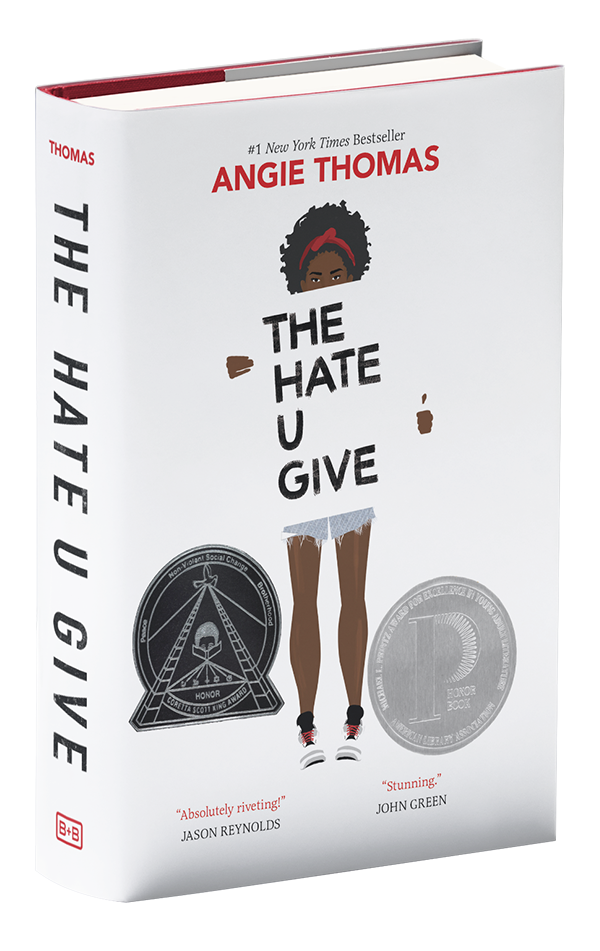
The traditional way presents a narrow view of whose stories matter. While “Fahrenheit 451”’s warning about censorship is vital, its perspective is inherently dated and limited. Where are the voices that reflect the vibrant, diverse realities of students? The syllabus often remains overwhelmingly boring and stale. Students of color, LGBTQ+ students and first-generation students deserve to see their experiences, histories and complexities reflected in the literature they study. This isn’t about erasing the past, it’s about expanding the conversation. Reading a novel about migration alongside “The Grapes of Wrath”, or a powerful work by a Indigenous author about land and identity, creates richer, more relevant dialogues about power, society and resilience.
The most common fear is that we are “dumbing down” the curriculum. This is very much not the case. Replacing “Lord of the Flies” with “Parable of the Sower” isn’t a reduction in learning about English literature, it’s an upgrade in relevance. Octavia E. Butler’s work tackles complex socio-political themes, climate disaster and the genesis of belief systems with intellectual depth, all in a prose that is accessible and attention grabbing. Accessibility is not the enemy of complexity.
The goal of an English class should be to create lifelong readers and critical thinkers. When a student sees themselves in a text, or is captivated by a story that speaks directly to the world they live in, that is when growth happens. They engage more deeply, debate more passionately and write more thoughtfully. They learn that literature is about more than just reading words on a page.
It’s time to retire the idea of a fixed, mandatory reading list. Schools should aim to create dynamic syllabi that honor foundational texts while making generous room for the brilliant, diverse literature of the last 50 years. Let’s choose books not because they’ve always been taught, but because they truly teach and reach to students. The classics will always have their place, but it’s time to share the shelf. Students’ intellectual engagement depends on it.